+44 1753 439 289 [email protected]


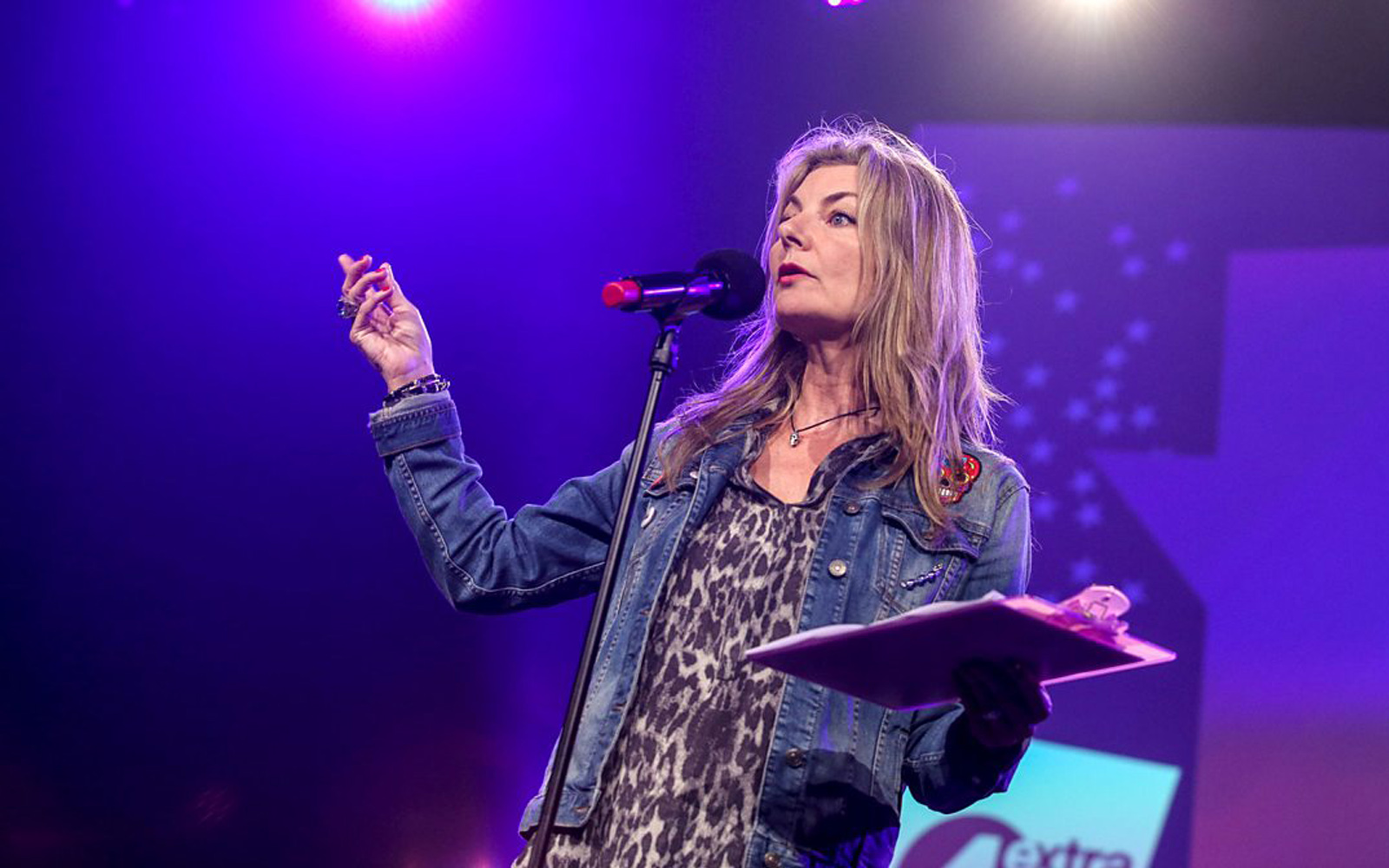
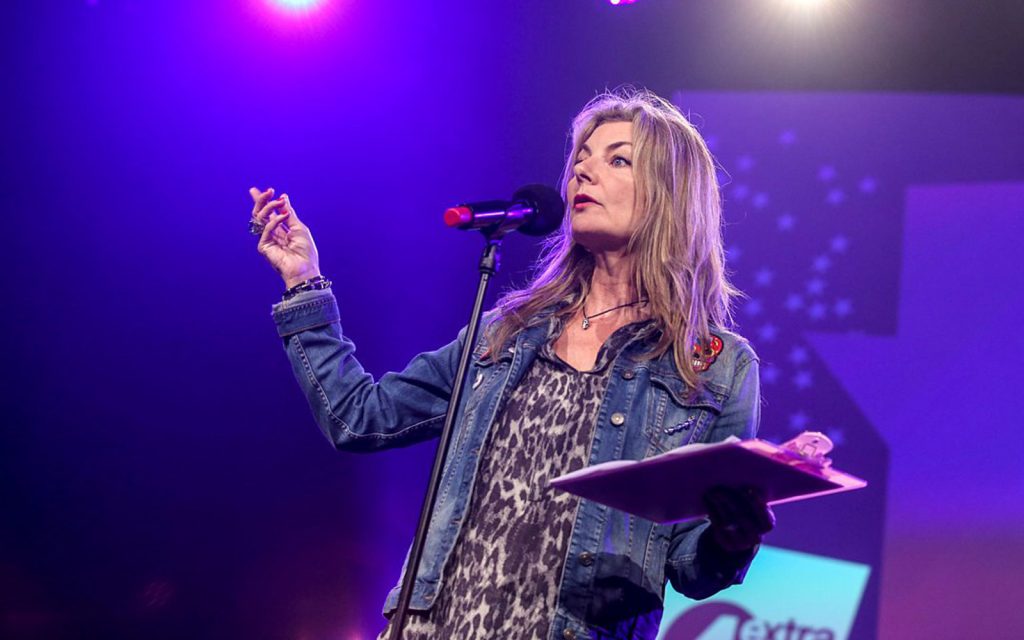
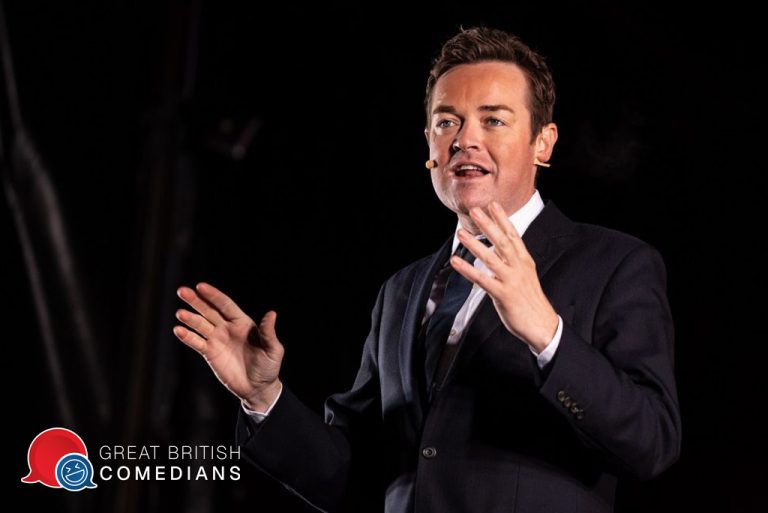
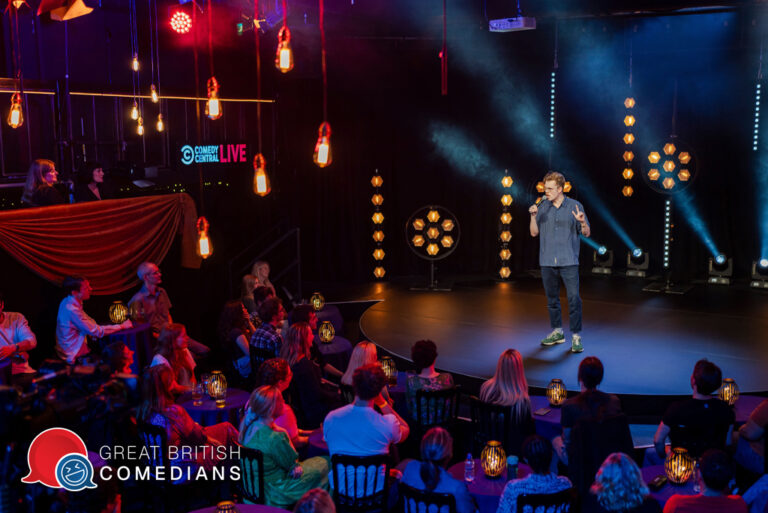
When an awards night needs laughter that lifts the room and keeps a tight running order, the right comedy host provides the special ingredient. Strong awards comedy hosts turn pauses into punchlines, soften hard edges, and keep sponsors smiling. Most planners now look for comedians hosting award shows who can balance irreverence with grace. That blend is the difference between polite claps and genuine buzz later.
Comedy hosts for awards make ceremonies work by doing five things fast. Set the tone in the first minute. Read the room and adjust. Keep links short and crisp. Land sponsor mentions without killing momentum. Protect the winners’ moment with warm wit. Done well, you get flow, not friction.
Why a comedy host can make or break your UK awards night
A wards ceremony has three pressures at once. Guests want entertainment, winners want their moment, and organisers want the schedule to hold. Comedy awards hosts sit at the junction. They bring levity, de-escalate awkward moments, and guide an audience through long stretches of names and categories with pace and personality.
The best funny award show hosts use humour as crowd management. They shorten applause gently, reset energy after long acceptance speeches, and keep pauses from turning into dead air. Picture the clink of glassware, the hush before a big category, and a room of tables waiting for a cue. A seasoned comedian host awards night feels like a conductor. A line here, a callback there, and suddenly the night is humming again.
There is also reputation. Awards host comedy that goes off-brand leaves people talking for the wrong reasons. The right voice matches the industry’s culture. A charity gala needs warmth. A tech awards night can carry sharper jokes and quick riffing. That fit matters as much as fame.
What defines comedy awards hosts in the UK
UK hosts for comedy awards are usually known for stand-up, panel shows, or broadcast presenting. The format is fairly familiar. A tight opening set to get things off in the right direction. Smart links that hold sponsor messages without feeling like ads. Smart ad libs under pressure. The distinctive quality in the UK circuit is the range. Many comedy hosts move between club sets, primetime TV, and corporate events, so they can dial humour up or down and still feel authentic. A good pre briefing calls sets this out ahead of the event.
The strongest comedy event hosts for an awards show consistently exhibit three traits. The content is clean. They protect people in the room with inclusive humour. They adapt to the venue and format, whether it is a ballroom, a studio floor, or a livestream. Yes, you need someone who is funny, but you also need someone who can land a sponsor line with charm and get to the next winner quickly. That skill is as valuable as the jokes. Handing out award after award can soon run over the tightest show schedule, especially challenging if this is between dinner courses and causing chaos for the venue catering.
Best comedy hosts for awards in the UK right now
The shortlists below group talent by track record and setting. Think of it as a practical map rather than a definitive ranking. It focuses on comedy show hosts who work well for awards in UK contexts, with examples from our roster and event feedback.
Established comedians hosting award shows
- Jo Brand. A BAFTA-winning comic with razor-sharp delivery and a calm, drier tone that suits national ceremonies. Known for panel mainstays like Have I Got News For You and QI, she brings authority with laughs that feel effortless. Best for large mixed audiences where you want bite without cruelty.
- Miles Jupp. Warm, observational, and trusted across TV and corporate. He shifts from crowd-friendly monologues to crisp links, which helps long nights stay human. A reliable choice for mainstream entertainment awards or big business galas.
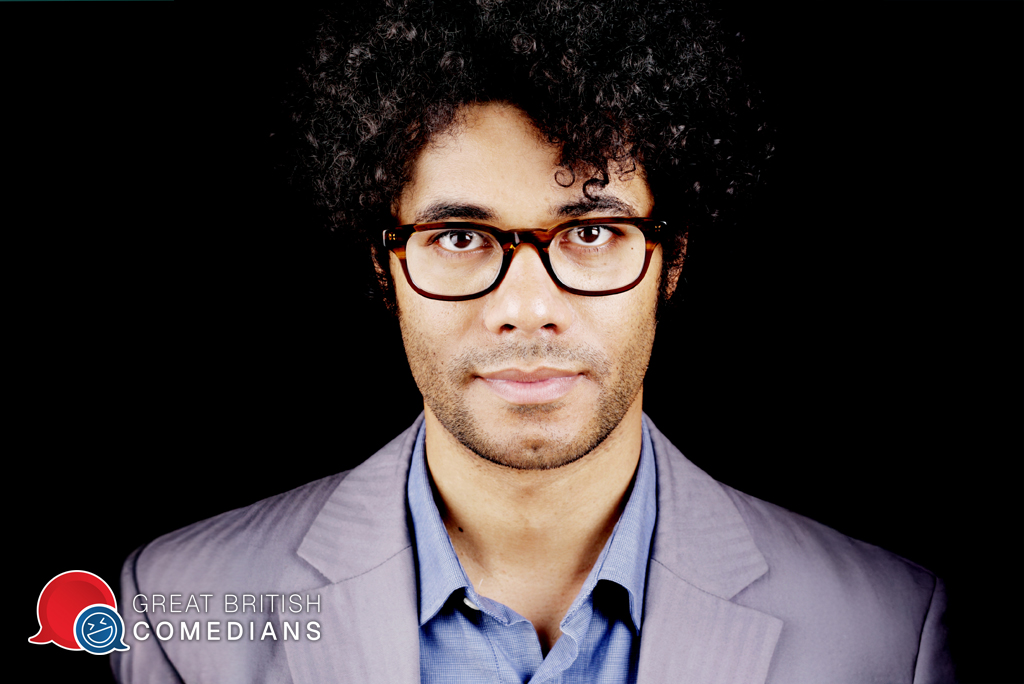
- Richard Ayoade. An intellectual style with precise timing and clear delivery. He reads a room quickly and carries sponsor lines with polish. Very strong on the corporate circuit when the tone needs sophistication with wit. As an IT Crowd actor, highly popular within the technology sector
- Brian Conley. High energy, relatable, and sharp. Suits entertainment heavy nights where big laughs matter. Works best when the crowd is ready for a punchy monologue and playful crowd management between categories.
- Mark Simmons. One-liners and clean puns in deadpan style. Perfect for tight links and short interstitials. He can keep the flow brisk without overpowering the winners’ moments.
- Jon Culshaw. Decades of stage experience with incisive impersonations and charm. Good for the public sector and charities where light, upbeat humour fits the ethos.
These funny award show hosts come with clear formats and proven crowd control. They can hold national rooms where expectations and camera angles are not forgiving.
Rising comedy show hosts to watch
- Stuart Goldsmith. Dynamic energy and physical comedy, with broad mainstream recognition and a BAFTA for entertainment performance. Brings pace and modern style that lands across age groups. A smart bet for media and culture awards with younger audiences.
- Shappi Khorsandi. Satire with heart. Engages with diversity and wellbeing themes while staying funny. Good for education, community, and inclusion-focused ceremonies, where tone care matters.
- Michael Akadiri. Writer-performer with dry medical satire turned mainstream. Great at turning complex stories into quick laughs. Fits healthcare and science awards, and corporate evenings wanting intelligent humour without jargon.
- Cally Beaton. Brilliant stand-up comedian, Successful Media Business Leader, Keynote Speaker, and Event Host. Amazing feedback from clients every single time!
These hosts for comedy awards bring freshness, social awareness, and formats that feel current without chasing trends.
Specialist corporate awards comedy hosts
- Hal Cruttenden. Versatile and seasoned across live and virtual. Strong testimonials for corporate ceremonies, including virtual hosting under pressure. Keeps a show on beat even when the audience is off camera.
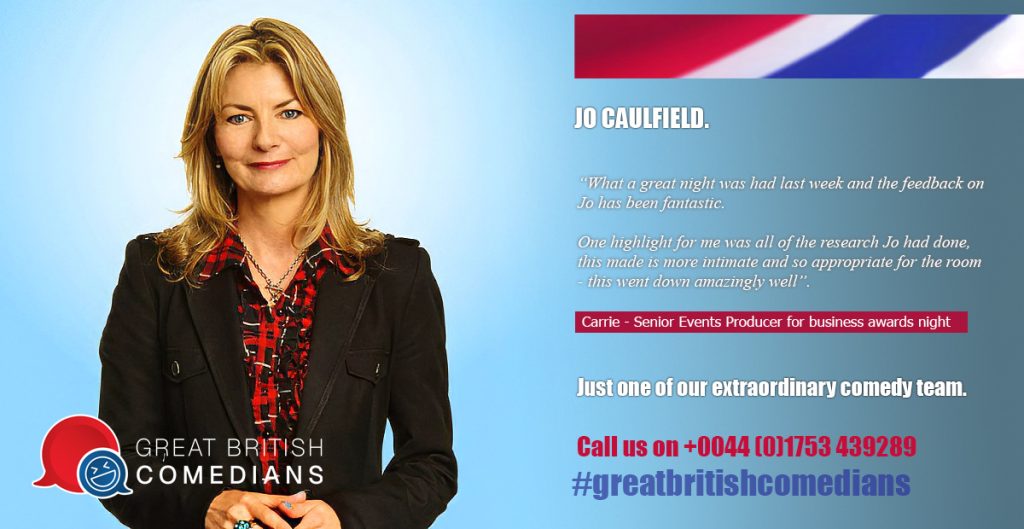
- Jo Caulfield. Laser-accurate observations and tight writing. A favourite for business awards where you need bite and brevity. Known for outstanding bespoke content, hosting feedback in corporate settings.
- Steph McGovern. Broadcast polish with financial journalism roots. Ideal when you need presenter confidence, sponsor savvy, and humour that never jars with brand values.
- Larry Lamb. A recognisable TV name with gentle comic timing. Suitable for broader business audiences and public sector nights that favour warmth over edge.
- Stuart Goldsmith. Award-winning comedian Stuart Goldsmith is a writer, event host, keynote speaker, event moderator, podcaster, actor, and TV personality. Highly popular for mental health and climate/environmental shows.
These awards comedy hosts protect the flow, deliver sponsor integrations gracefully, and keep a large room cohesive. They also tend to hit diverse audiences without losing pace.
Matching the host to your industry, audience, and venue
Fit is not fluff. Comedy awards hosts work best when tone, subject matter, and venue align. Room size, table layout, and show length change the job for a comedian hosts award show. A black tie ballroom with round tables needs different energy than a theatre or studio floor. Industry culture also shapes what lands. That is why the brief should lead the shortlist rather than the other way around.
Corporate, public sector, and charity ceremonies
These nights favour warmth, clarity, and control. They often have longer sponsor segments and more categories. Comedic award hosts should be comfortable balancing short jokes with clean links. Avoid heavy crowd work if the room is formal and seated far from the stage. Hosts like Hal Cruttenden, Jo Caulfield, Steph McGovern, Paul Sinha, and Joe Pasquale typically suit this mix because they carry brand-friendly humour with speed.
A quick rule. If your event carries sensitive topics, set boundaries early. Ask for inclusive humour, no jokes at the expense of recipients, and gentle roasting of universal quirks rather than personal traits. A single line can define the night. Better make it kind.
Media, tech, and entertainment awards
These ceremonies can lean into sharper satire and quicker riffing. The crowd expects big laughs, references, and occasional playful digs. Hosts like Jo Brand, Jason Manford, David Mitchell, Milton Jones, and Mo Gilligan bring enough edge and skill to keep a pacey show and meet expectations for cultural jokes.
When a broadcast or livestream enters the mix, choose an awards host with a comedy focus and camera composure. Trevor Noah’s recent Grammy runs show how composure, global references, and quick pivots carry on air under pressure. Even if you book UK talent, the principle holds. Camera rhythm matters as much as jokes.
Regional and local business awards
These nights work best with approachable humour and strong audience interaction. The funniest award hosts at this level are not always the most famous. They read the room, sprinkle local references, and keep transitions on time. Consider Jo Caulfield, Paul Sinha, Adam Kay, or rising comics with clean corporate sets. The goal is in the room connection over star power. It is the table talk after the show that signals success.
Budgeting and booking your funny award show host: fees, contracts, lead times
Money, terms, and timing shape the shortlist quickly. As of 2026, fees vary widely by profile, format, and deliverables. Rates below are editor-verified ranges that reflect typical UK bookings, but should be checked against current quotes from our booking team on 01753 439289.
Typical UK rates and what influences price
| Tier | Typical fee range | Best fit | Notes |
|---|---|---|---|
| Regional circuit or rising hosts | £2,000 to £6,000 | Local business awards, internal ceremonies | Add travel, rehearsal, script time. |
| Established TV names | £8,000 to £20,000 | National galas, sector awards, high sponsor presence | Profile, show length, format drive price. |
| Prime time or broadcast faces | £25,000 and above | Televised or livestream headline nights | Negotiable with broadcast rights. |
- Influencers on price. Event length, script rewrites, hosting plus performance set, travel class, rehearsal days, and usage of photos or clips post-event.
- Contract inclusions. Number of hours on site, start and end times, dress code, briefing schedule, script sign off, and contingency clauses for overrun.
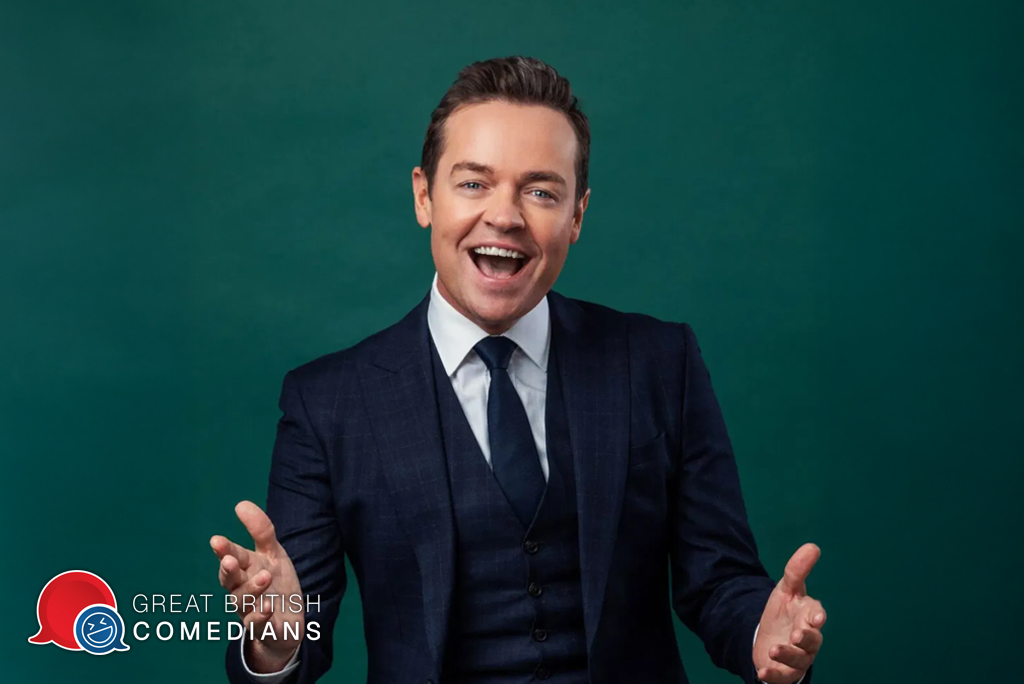
Agent rosters like Great British Comedians show a spectrum from rising stars to BAFTA-recognised hosts with corporate track records.
Availability, travel, and rehearsal considerations
- Lead time. Six to twelve weeks for established names. Three to six months for faces with heavy TV schedules. Busy seasons cluster around late spring and autumn.
- Travel. Lock travel windows and arrivals that allow tech run. Build a buffer for train delays. Big rooms need a sound check with the host in the space.
- Rehearsals. If you have show openers, sponsor scripts, or category gags, book a run-through on the day. Virtual events need an earlier tech rehearsal with the host and producer on the same platform. Hal Cruttenden’s virtual hosting feedback highlights how a pro handles the screen when the audience is invisible.
A simple note. Give the host a stage manager who calls links. It keeps transitions clean when the room gets loud.
Script, tone, and risk management: keeping the awards host comedy on-brand
A good script is a safety net, not a cage. It sets beats, sponsor mentions, and category intros. Let the comedian improvise inside that frame, and set tone guardrails early. That mix protects the brand and gives the host room to be funny.
Inclusive humour and safeguarding reputation
- Set boundaries. No jokes on personal traits, medical issues, or sensitive industry events. Punch up, not down.
- Use universal references. Every day work gripes, travel hiccups, and gentle self-mockery land without risk.
- Sense check industry language. Remove acronyms that do not play in the room. Keep sponsor lines clear and short.
- Pre-clear callbacks. If the host plans a recurring gag tied to your theme, test it for tone and repetition. Surprising how often a callback can save a slow middle.
Agency profiles often highlight hosts who balance smart jokes with a respectful presence at corporate and public sector events. Jo Brand, Steph McGovern, Paul Sinha, and Jo Caulfield receive consistent notes for tone control in professional settings.
Handling live ad-libs, mistakes, and overruns
- Ad libs. Give the host safe targets. Lighting cues, the band, and the size of the prize. Keep it playful, not personal.
- Mistakes. Build a one-line reset. “We love a plot twist” is kinder than calling out the autocue. Use a written gag if a name or category misfire feels likely.
- Overruns. Agree on a phrase that trims applause. A warm “save some cheers for the next winners” works without sounding strict.
Micro anecdote. An autocue froze right as a sponsor read started. The host glanced at the orchestra, smiled, and said, “Even the screen is emotional tonight.” Laughter. Reset. The band played at a bar, and the show moved on. That is the craft planners pay for.
Below: Possibly the best awards acceptance speech ever from Robin Williams at the 2005 Golden Globes
Live, hybrid, or broadcast: hosts for comedy awards across formats
Format changes rhythm. In-room pacing is about tables, sight lines, and sound. On-camera pacing is about tight lines, clean pauses, and face control. Hybrid asks for both. Plan delivery decisions with the host, not at them.
Televised and livestream award shows
Camera work changes comedy. Shorter sentences, cleaner setups, and smiles that read on screen. The host must hit timing marks and throw to VT with clear cues. Recent broadcast examples prove the point. Trevor Noah’s composure across multiple Grammy ceremonies shows how global references and tight links carry under heavy time pressure.
For UK bookings, choose hosts with TV studio experience or panel show rhythm. Jo Brand, David Mitchell, Jason Manford, and Steph McGovern all bring broadcast instincts that help televised or streamed awards nights feel smooth and controlled.
Maximising in-room energy versus camera delivery
- In room. Bigger reactions, more crowd work, and playful interaction from the stage. Use physical bits sparingly if tables are far from the stage.
- On camera. Tighter language, clear diction, and a few beats of silence to let laughs sit without stepping on the next line.
- Hybrid. Alternate. Warm the room with a big opener, then switch to crisp links for camera segments. Treat sponsor lines like headlines, not paragraphs.
A helpful mental model. Charisma meets command. This phrase from a recent analysis of best award show hosts captures what you need for long formats where timing and jokes both matter [2]. Put the mic in those hands, and the night feels bigger and smoother at the same time.
Below: The fabulously irreverent Ricky Gervais introduction to the 2020 Golden Globes
How to brief your comedian host for awards success
The brief is where tone and timing become a plan. Keep it sharp. Give the host space for their voice and guardrails for the brand. A good brief is clear on the audience, agenda, and non-negotiables.
Monologues, links, and sponsor integrations
- Share a one-page event snapshot. Audience mix, dress code, and any sensitive topics. Outcome. The host tunes their opening monologue to the room.
- Provide a beat sheet. Categories in order, expected applause, and planned surprises. Outcome. Links stay crisp, and you avoid dead air.
- Write sponsor copy as spoken lines. Short, human sentences with one message each. Outcome. Integrations feel natural and do not stall energy.
- Agree on tone boundaries. Inclusive humour, gentle crowd work, and clean language if needed. Outcome. Reputation stays protected.
Quote worth remembering. “Keep the jokes kind. Punch up, not down.” Every great awards host uses that rule in practice.
Audience interaction, improvisation, and timing
- Interaction. Map the room. Identify VIP tables you can involve and tables to avoid. Give a safe bit for audience participation.
- Improvisation. Offer three topics that always land with your crowd. Travel, workplace quirks, and elegant self-mockery work across sectors.
- Timing. Share exact start and end times. Give hand signals to trim or stretch when needed. The band or music stings help keep the rhythm audible.
Hosts like Keegan Michael Key have shown how improv training helps them pivot when chaos hits and still sell a bit cleanly in live formats. The lesson applies even when booking UK talent for hybrid events.
FAQs about comedy event hosts for awards
Who are the funniest award hosts in the UK right now?
For big rooms, Jo Brand, Jason Manford, David Mitchell, Milton Jones, and Micky Flanagan deliver proven laughs. Rising and versatile names include Mo Gilligan, Jo Caulfield, Paul Sinha, and Adam Kay. These awards comedy hosts balance humour with flow and sponsor needs.
How much does a comedian host for an awards show cost?
Fees in the UK run roughly £2,000 to £6,000 for rising hosts, £8,000 to £20,000 for established TV names, and £25,000 and above for primetime or broadcast faces. Final quotes depend on length, script work, travel, and format. Always check current agency rates.
What’s the difference between a comedian host and a professional MC?
A comedian host leads with humour and crowd control, while an MC focuses on formal structure and protocol. Awards host comedy brings more ad lib skill, tighter monologues, and playful pacing. Some presenters bridge both, especially broadcast-trained names like Steph McGovern.
Can comedy hosts keep long ceremonies on schedule?
Yes. Experienced hosts use short links, applause trims, and gentle resets. Corporate-focused comedians like Hal Cruttenden and Jo Caulfield are noted for keeping virtual and live awards on beat without losing laughs.
How far in advance should I book a comedy awards host?
As a guide, book six to twelve weeks ahead for established names, and up to six months for faces with heavy TV commitments. For the spring and autumn seasons, secure earlier. Build time for script sharing and rehearsal.
Conclusion: choosing the right comedy host for a memorable UK awards event
The right host is a practical choice, not a gamble. Match tone to your sector, pick comedians hosting award shows with proven pacing, and write sponsor lines that sound human. Then lock rehearsal and clear timing signals. Do that, and you get an awards night that feels polished, warm, and genuinely fun.
Next step. Set your brief, shortlist two or three comedy hosts for awards who fit your audience, and request sample clips plus references. A little planning now saves a lot of awkward silence later. It also turns a ceremony into the kind of night people still talk about on Monday.
Contact Us!

[email protected]
+44 1753 439 289